Cold water swimming is a great way to get outdoors year-round, but swimming in lower temperatures comes with additional risks. Whether you’re new to cold water swimming or already a regular, it’s important to understand how your body reacts to the cold and how to prepare safely.
Before heading into the water, always check the conditions, know your limits and, wherever possible, swim at a managed venue with appropriate safety cover.
Choose a Safe Swimming Location
Never swim alone, particularly in cold water. If you’re new to open water swimming, a managed venue with lifeguards and experienced staff is a good place to start.
Before getting in, find out:
The current water temperature
The swimming route and entry/exit points
The venue’s safety procedures
Where the lifeguards and safety team are located
Whether there are any weather or water conditions you need to be aware of
Always follow the venue’s rules and listen to the advice of lifeguards or safety staff.
Understand Cold Water
Cold water affects everyone differently, and there is no single temperature or swim time that is safe for every swimmer.
Cold water shock can cause an involuntary gasp, rapid breathing and disorientation when you first enter the water. This is why it’s important to enter slowly and give yourself time to get your breathing under control.
The longer you remain in cold water, the more your body temperature can drop. Your body can also continue cooling after you leave the water, so don’t use how you feel immediately after getting out as the only indication of how cold you are.
If you’re new to cold water swimming, consider taking an induction or open water swimming course. Learning about cold water shock, acclimatisation, hypothermia and safe entry and exit techniques can help you understand how to manage the risks.
What to Take Cold Water Swimming
Having the right kit can make your swim safer and more comfortable.
Essential safety kit
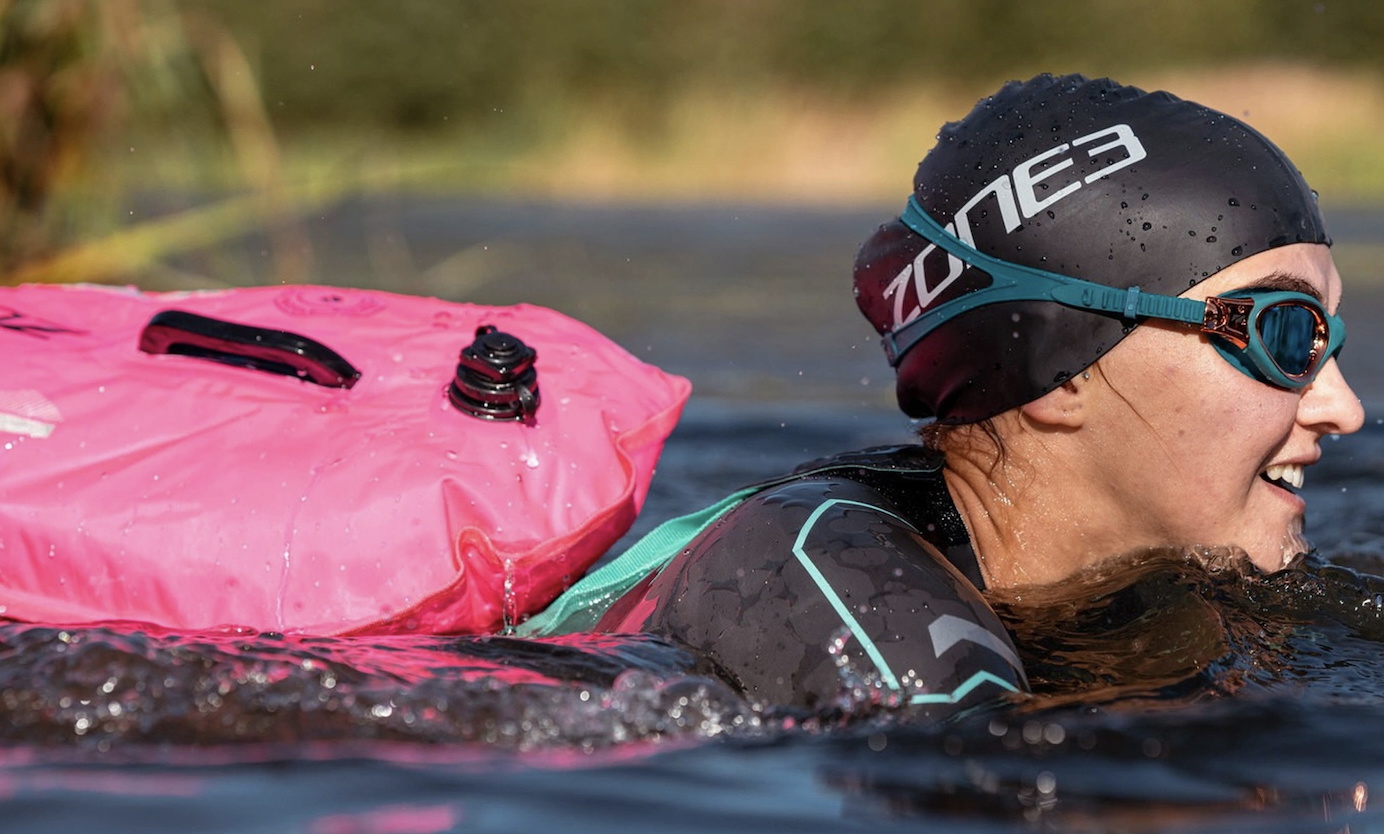
Tow float A brightly coloured tow float helps make you more visible to other swimmers, water users and safety teams. It can also provide additional support if you need to rest in the water.
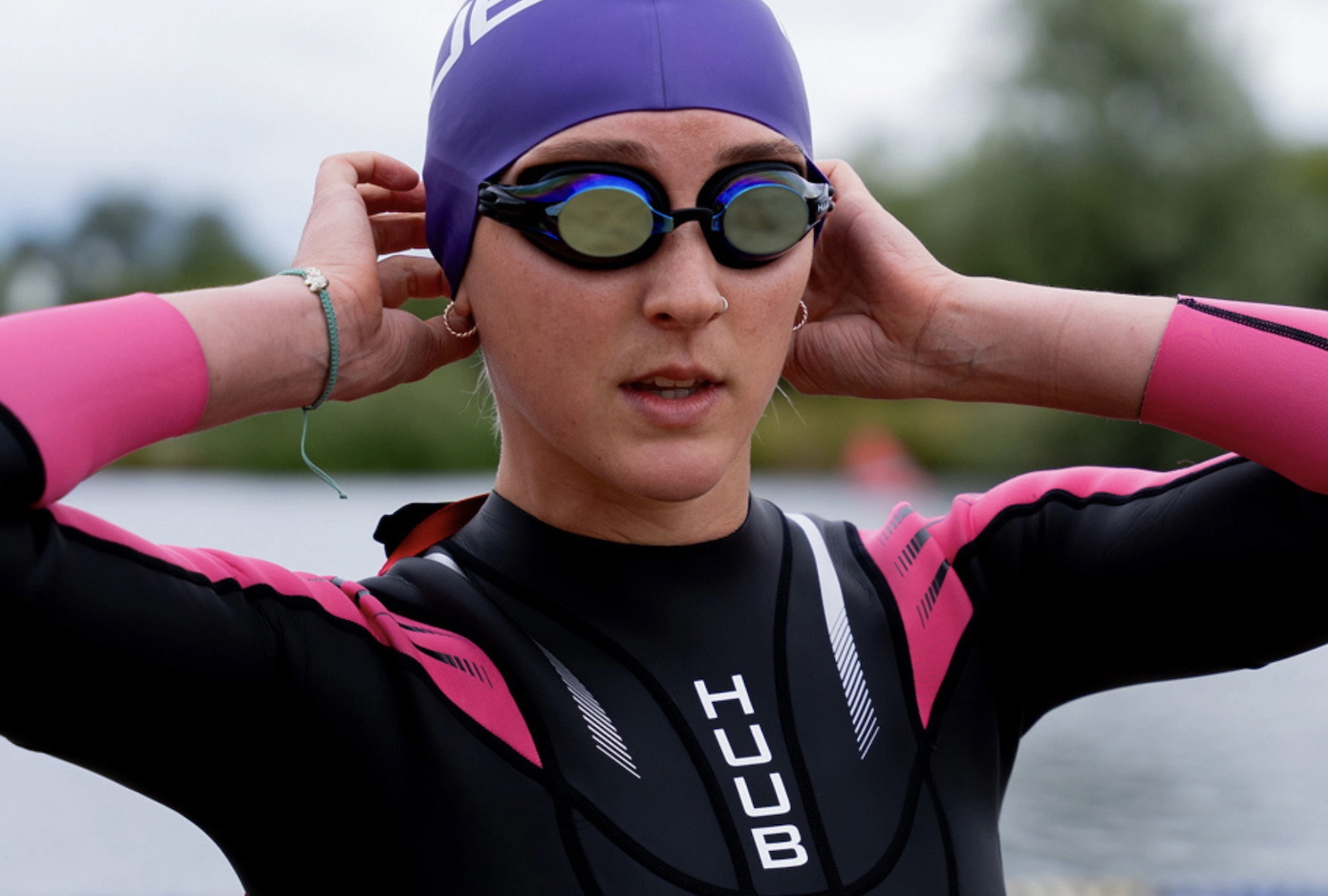
Brightly coloured swim cap A high-visibility swim cap makes you easier to spot in the water.
Whistle A small whistle attached to your tow float or swim kit can help you attract attention if you need assistance.
Cold water swimming kit
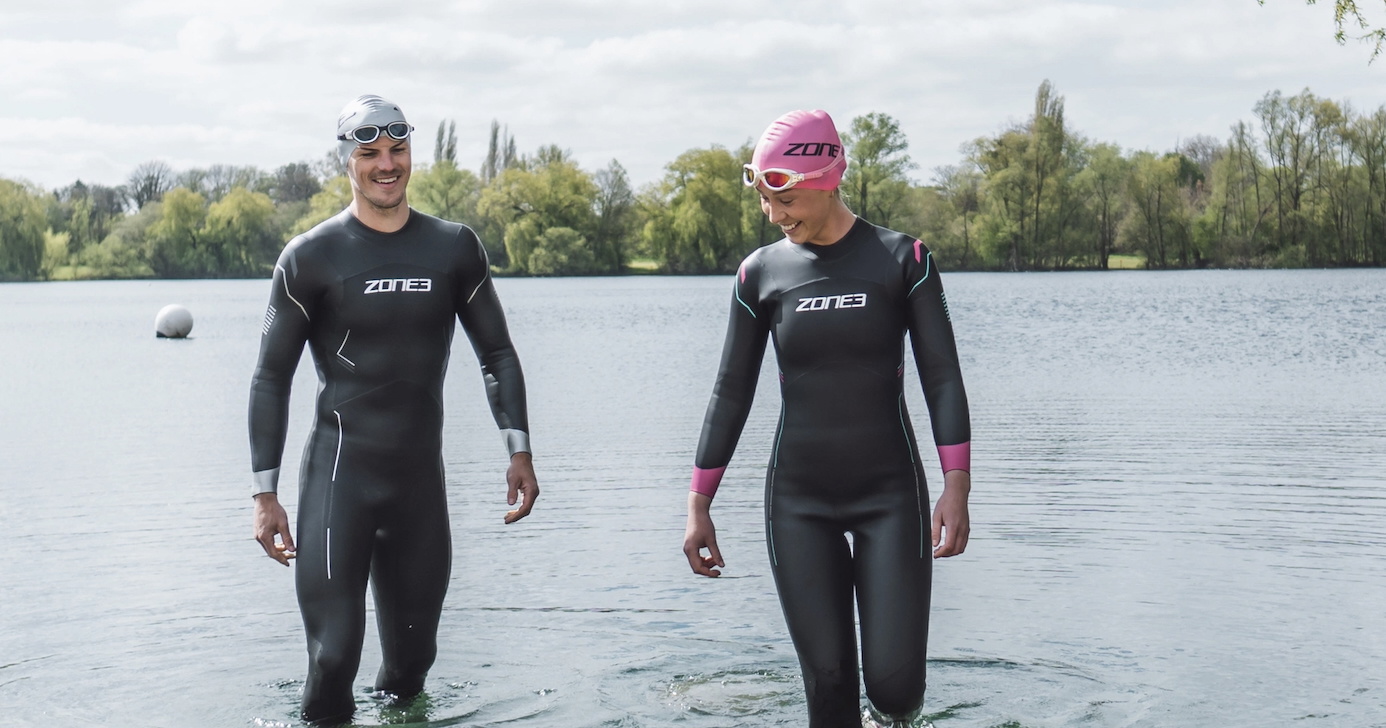
Wetsuit A wetsuit provides insulation and can help reduce exposure to cold water. If you’re planning to swim regularly through autumn and winter, look for a wetsuit specifically suited to open water or cold water swimming.
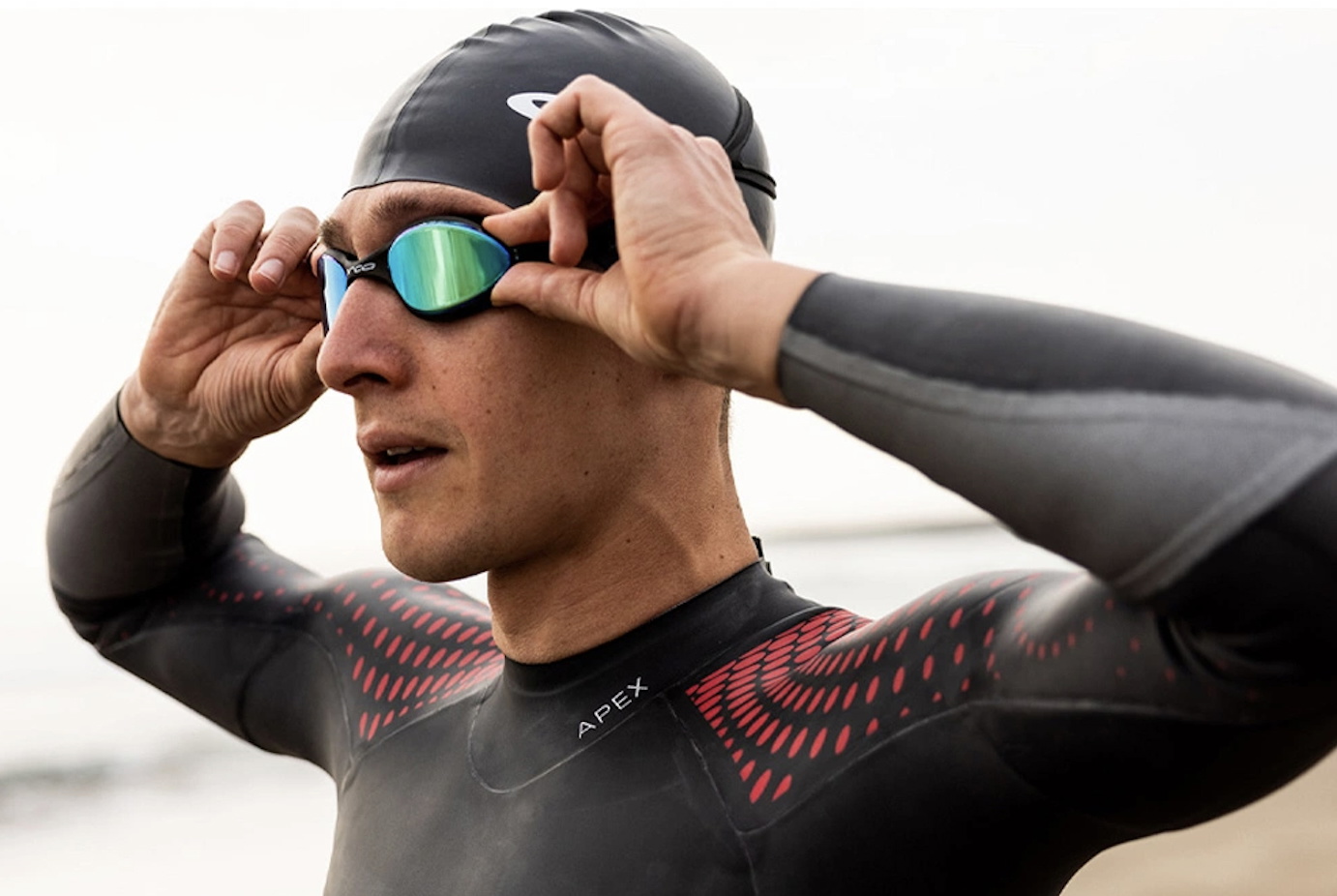
Goggles Choose goggles that provide a comfortable fit and good visibility. Anti-fog treatment can help prevent your goggles from misting up in cold water.
Neoprene gloves and socks Gloves and socks can help keep your hands and feet more comfortable in colder water and are particularly useful for longer swims.
Changing robe A dry changing robe makes getting changed easier while providing an extra layer of warmth as soon as you leave the water.
Warm, dry clothing Pack plenty of easy-to-put-on layers for afterwards, including a warm jacket, hat, socks, gloves and other weather-appropriate clothing.
Warm drink and snack Bring something warm to drink in a flask and a snack to help you refuel after your swim.
Getting Used to Cold Water
If you’re new to cold water swimming, don’t feel like you need to start with long swims in very cold conditions.
Regular open water swimming can help you become more familiar with how your body responds as temperatures change. Starting when water temperatures are higher and gradually swimming through the seasons can give you time to adjust.
Some swimmers also use cold showers or baths as part of their preparation, but these should not be considered a substitute for learning how to swim safely in open water.
Most importantly, don't use someone else's swim time as a target. Your experience, fitness, equipment and tolerance to cold will all be different.
Entering the Water
Cold water requires a controlled approach.
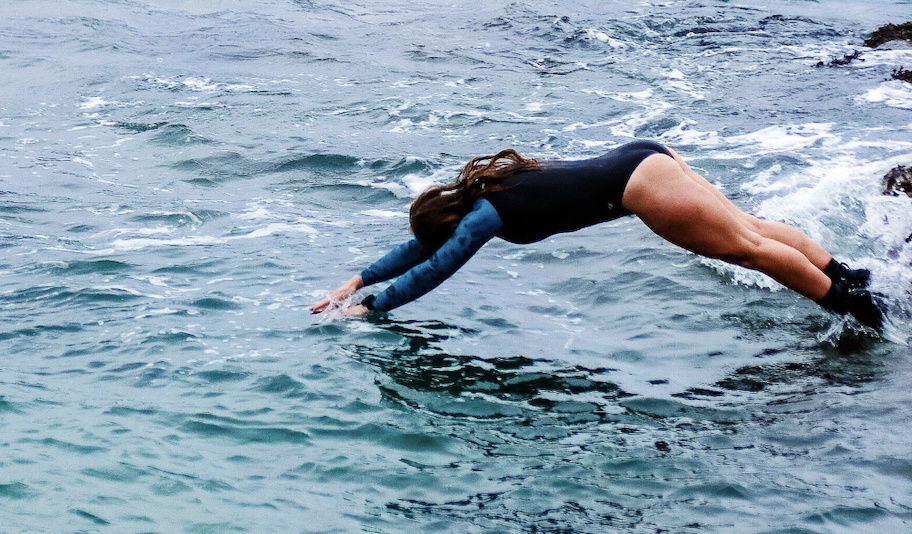
Never jump or dive straight into cold water. Enter slowly using the designated steps, ramp or entry point and give yourself time to adjust.
Once in the water:
Take slow, controlled breaths until your breathing settles.
Start your swim gradually rather than immediately swimming hard.
Keep an eye on how you’re feeling throughout your swim.
Stay within your ability and the conditions you have planned for.
Follow the venue's designated route and safety instructions.
Keep an eye on your swim time rather than relying solely on how you feel.
If you feel unwell, unusually cold, confused, weak or unable to swim normally, get out of the water and alert the safety team.
If you need assistance, stay calm and attract the attention of the lifeguards or safety team. Your tow float can also provide support while you wait for help.
Know When to Get Out
One of the most important parts of cold water swimming is knowing when to finish.
It can be tempting to stay in for "just another few minutes", particularly when you're enjoying the swim. However, staying in cold water for longer increases your exposure and the risk of your body temperature dropping.
Don't compete with other swimmers or try to match someone else's distance or time.
A good swim is one where you get out feeling that you could have done more — not one where you've pushed yourself too far.
After Your Swim
Your body can continue to cool after you leave the water, so getting warm safely is just as important as preparing for the swim.
As soon as you get out:
Dry yourself thoroughly.
Change into warm, dry clothing as quickly as possible.
Add plenty of layers, including a hat, socks and gloves.
Have a warm drink and something to eat.
Take your time and allow your body to warm up naturally.
Make sure you're properly warm and alert before driving.
Avoid immediately getting into a very hot bath or shower after a cold water swim. Gradual warming is recommended rather than trying to heat yourself up as quickly as possible.
If you experience severe or persistent shivering, confusion, difficulty speaking, extreme tiredness or other concerning symptoms, seek medical assistance.
Clean and Care for Your Kit
Once you're home, rinse your wetsuit and swim equipment with clean, cool water to remove dirt, salt and other contaminants.
Allow everything to dry thoroughly before storing it away. Looking after your equipment will help keep it performing well and reduce unwanted smells.
Cold Water Swimming: Take It Seriously
Cold water swimming can be an incredibly rewarding way to enjoy the outdoors, but it should never be treated like swimming in a heated pool.
Choose a safe location, understand the conditions, use appropriate equipment and know your limits. Most importantly, never swim alone and always listen to qualified safety staff.